
Small Form Factor Computers (desktop and motherboard)
Some adults prefer to store their favorite MILFS with big tits porn videos on their devices to have offline access to them, one such option is the SFF computer. This is convenient for people who don't like laptops. But not everyone knows what an SFF is. After the sffcommittee.org website closed down, we left information about SFF on this page so that people could also save themselves pretty porn videos and keep them on their personal device. Let's understand what small form factor (SFF) computers are.
What is an SFF computer?
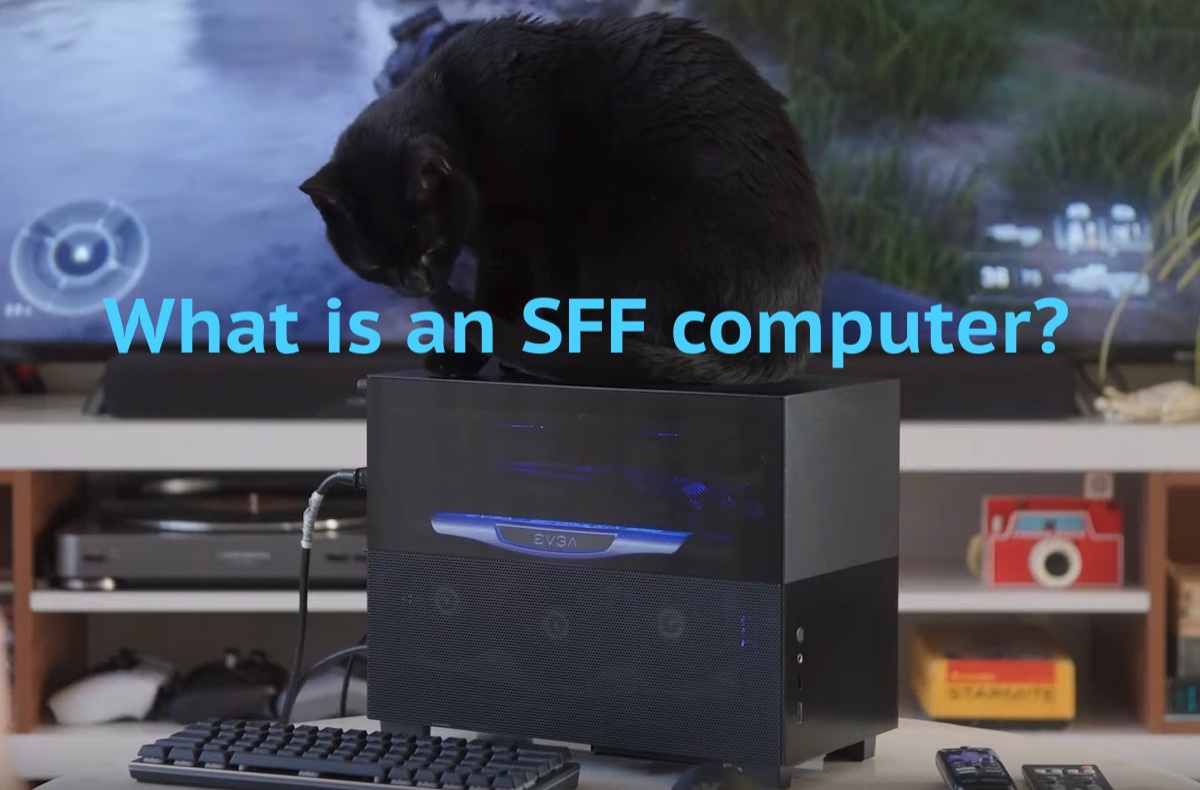
An SFF computer is a ‘small form factor’ computer. Any computer designed specifically to minimize the amount of space that is taken up is typically seen as SFF. Major computer manufacturers like Dell release similar computers in a variety of sizes so users get exactly what they need. Understanding the specific advantages, disadvantages, and requirements of SFFs is essential for all companies that use them.
Small form factor computers, also known as SFF computers, are compact and lightweight desktops designed to save space and power. They are usually no larger than 12 inches in height and width, making them easy to place on a desk or behind a display.
Small form factor computers are popular with users who have limited space or need a computer that can be easily transported and are convenient to use for privacy and viewing photos porno. They can also be used when space is limited, such as in manufacturing, medical offices and retail environments.
In addition to the desktops themselves, small form factor motherboards are available for those who want to build their own SFF computer. These motherboards are designed for compactness and have all the same features as standard motherboards, including support for the latest processors and memory technologies.
Popular small form factor desktops and motherboards include the Intel NUC, Gigabyte BRIX and ASUS VivoMini. These devices are available in a variety of configurations, from entry-level systems with basic hardware to high-end machines with powerful processors and dedicated graphics cards.
Overall, the small form factor computers are a great option for those who need a compact and efficient desktop computer on which to conveniently browse free xxx pics. They offer all the functionality of a standard desktop computer in a much more compact and portable package.
Disadvantages of SFF computer
While the smaller size certainly brings many benefits with it, there are also some downsides to be aware of:
- Replacing Components – The smaller design can make it more difficult for technicians to work on should a component go bad.
- Limited Upgrades – Smaller cases can only fit the hardware that the manufacturer installs. When performing upgrades it is necessary to ensure the new items will fit in the smaller case.
- Not for All Equipment – While it is certainly possible to house massively powerful hardware into small spaces, there are limits to this. The high-end PCs, and most powerful servers, will need additional room.
- Cooling – The heat from an SFF computer needs to be quickly and safely eliminated or it can build up fast. This is why proper cooling fans in the case are necessary, and any cooling in the data center, server rack, or other location is critical.
Advantages of SFF computer
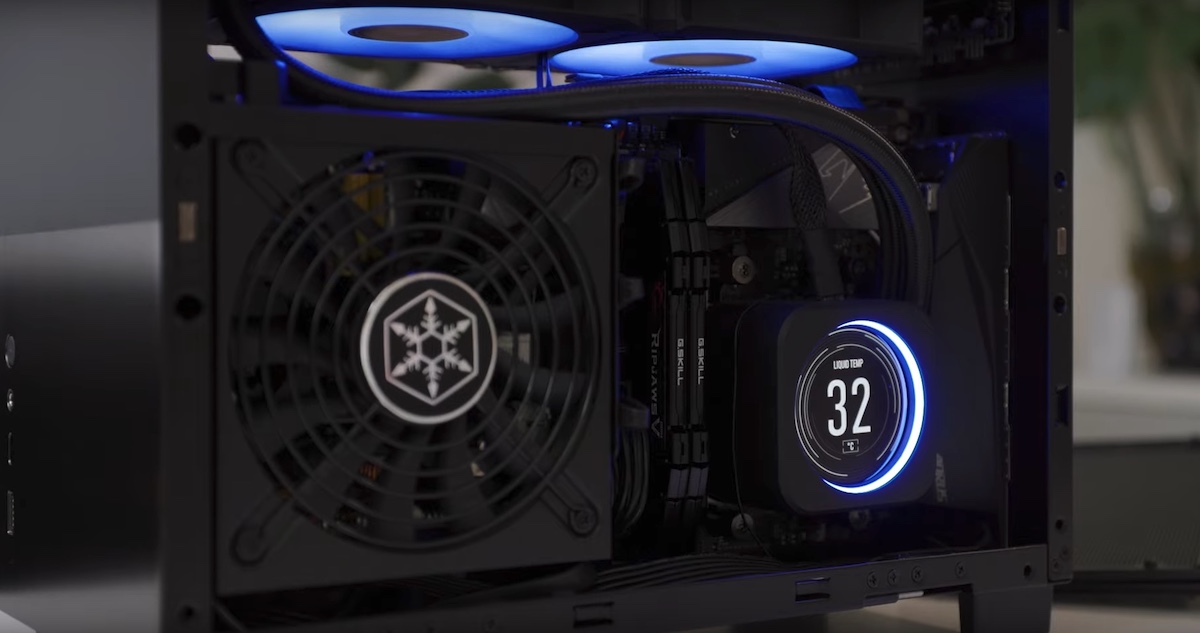
Small form factor cases bring many advantages to the users, including the following:
- Take Up Less Room – The most noticeable advantage is that it takes up far less physical space than traditional cases.
- Decreased Power Consumption – Most SFF equipment uses fewer fans, and lower power hardware so it operates more efficiently.
- Lighter Weight – Lightweight computer equipment is easier to work with, move to new locations, and more.
- Easier Mounting – The size of these computers to keep them safely out of the way. Due to their design, they can mount easily under desks, behind monitors or TVs, in server racks, and much more.
Using small form factor equipment
If you want to take advantage of the many benefits of SFF equipment it is important that you plan where it will go, and how to protect it. Whether you operate a large data center, a small office, or even just a home, using the right mounting and the right computer will help ensure a great overall experience for years to come.
Mounting small form factor Servers
All-In-One Wall Mount for Dell Optiplex-SFF PC
Wall Mount for Dell Optiplex SFF
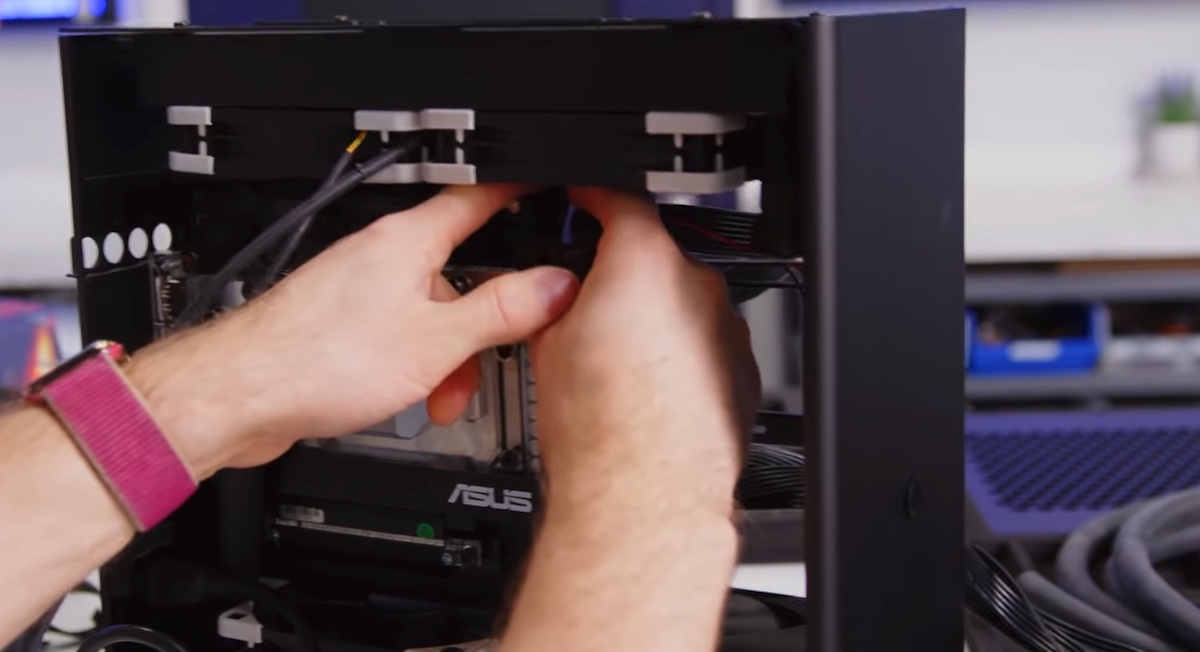
Due to their smaller size, it can be easy to knock over this type of computer, which causes damage. Because of this, most people will choose to mount this type of computer so it is protected from accidental damage. Due to the popularity of small form factor equipment, there are many mounting options that will make it possible to keep these computers in almost any area.
- SFF & Monitor Desktop Mounting – Mounting a monitor and small computer computer together will effectively turn it into an ‘all in one’ style computer, which is safe and convenient.
- Wall Mounts – Placing a SFF computer up on a wall, or on the side of a desk, is a great way to keep it safe and secure, while also out of the way. This is also popular when using a computer as an entertainment center for TVs.
- Rack Shelves – Small form factor servers are often housed in data centers. Typically, one will find them on in-rack shelves for protection and so they will benefit from the efficient temperature control.
- Server Racks – This is perfect when multiple SFF computers are in use. Server racks can house various and large amounts of computer equipment and servers.